Representing UNHAS’s Graduate School in Sydney, Prof. Tuti Highlights the Local Wisdom of Indigenous Communities in Preserving a Sustainable Environmental Ecosystem
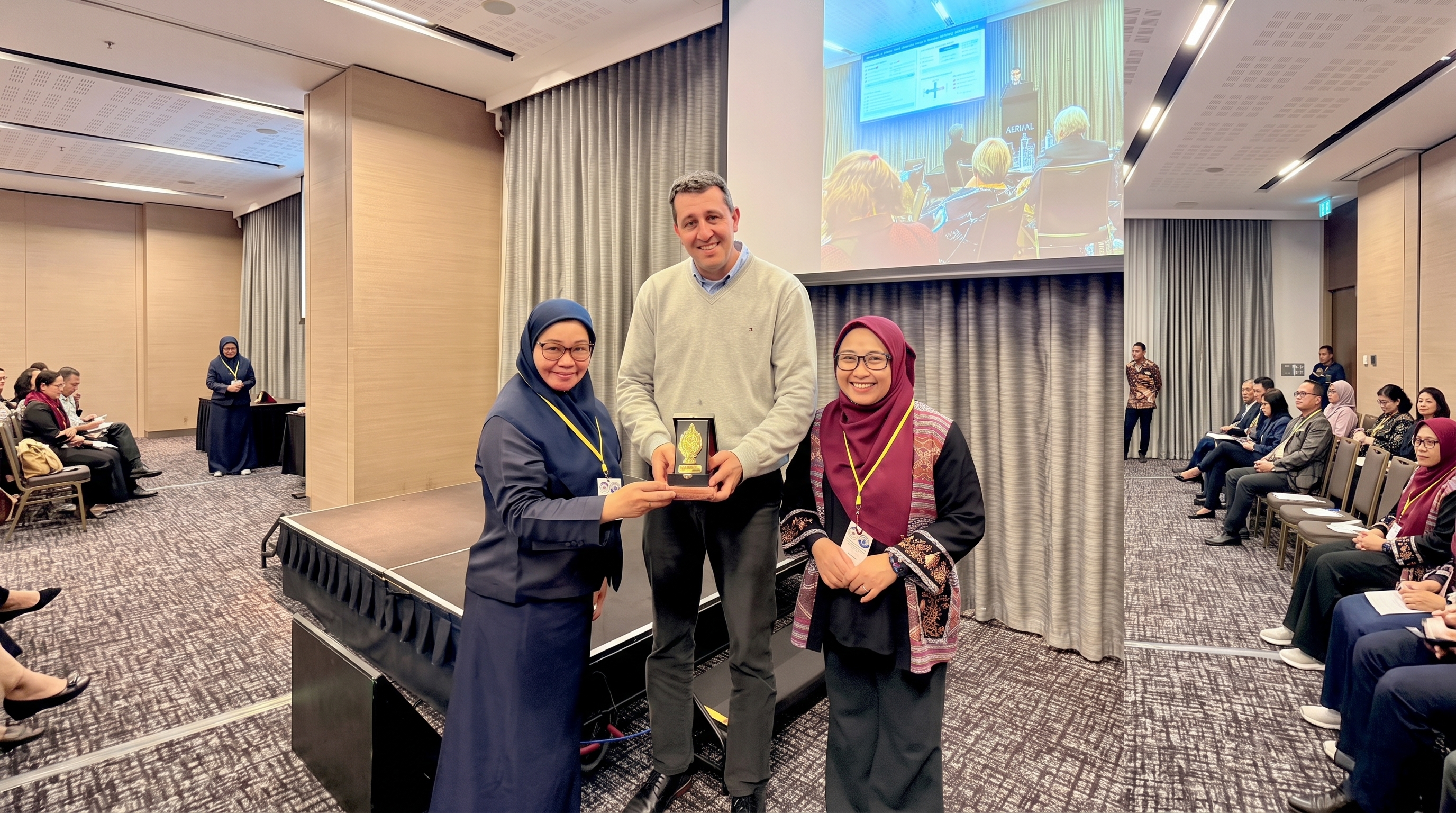
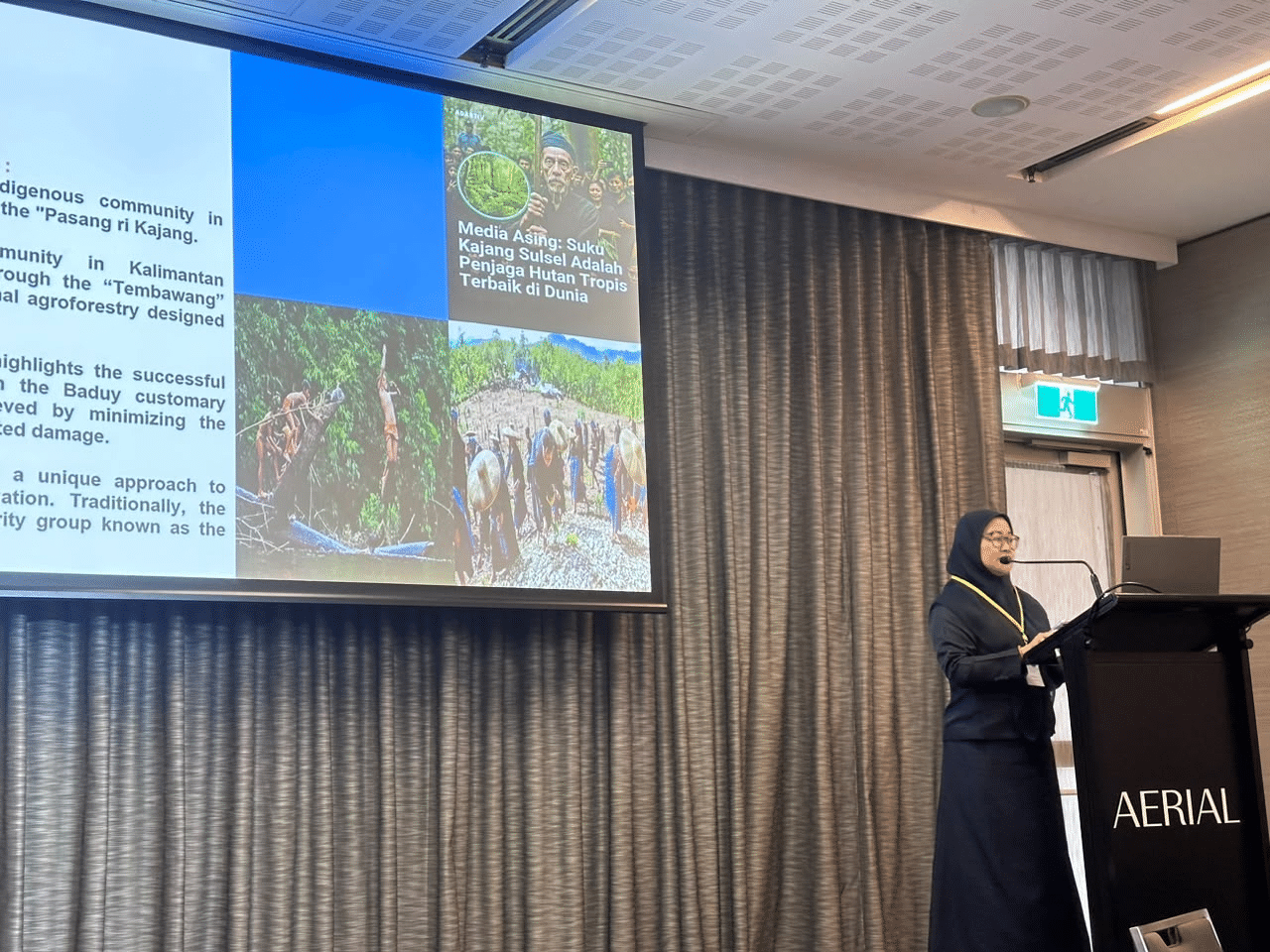
SYDNEY, AUSTRALIA — An international forum brought together academics, researchers, government officials, industry representatives, and non-governmental organizations from various countries at the UTS Aerial Function Centre, University of Technology Sydney, Australia, from September 23–25, 2026.
The Head of the Quality Assurance and Reputation Enhancement Task Force (GPM-PR) of the UNHAS Graduate School (SPs UNHAS), Prof. Dr. Tuti Bahfiarti, S.Sos., M.Si., attended to present a study on the wisdom of indigenous communities through an environmental communication approach. The presentation highlighted how instilling local wisdom values protects forest ecosystems as a life source, thereby ensuring a sustainable community circular economy. These local wisdom values serve as cultural assets capable of providing solutions to social and environmental sustainability issues. Indigenous communities stand as role models for preserving traditions in the era of globalization.
"Local wisdom is knowledge that grows from the community's experience in interacting with their environment. Therefore, the practices inherited within indigenous communities must be viewed as an essential part of efforts to maintain environmental sustainability," said Prof. Tuti during her presentation at the University of Technology Sydney.
The International Conference on Circular Economy for Climate and Environment (CECE) 2026 was organized by the University of Technology Sydney (UTS). It featured speakers from academia, government, and professional practice who discussed various issues related to the circular economy, climate change, and the environment. The forum served as a platform for knowledge exchange while opening up networking and collaboration opportunities across sectors and countries.
The study presented by Prof. Tuti is closely aligned with the 13th Sustainable Development Goal (SDG), Climate Action, which falls under the Environmental Development Pillar. Strengthening the values and practices of indigenous local wisdom in protecting ecosystems can be a crucial part of building environmental resilience while supporting the sustainability of community livelihoods amidst the challenges of climate change.
For SPs UNHAS, participating in CECE 2026 provided a valuable space to introduce an Indonesian academic perspective into global conversations regarding the environment and sustainability. The conference also facilitated the exchange of research findings and networking among researchers, encouraging international collaborations that drive innovation and progress in circular economy and environmental research.