SPs UNHAS Explores the Potential of Bengkulu University’s Curly Red Chili for Lowland Cultivation
© SPs UNHAS Media 2026
© SPs UNHAS Media 2026
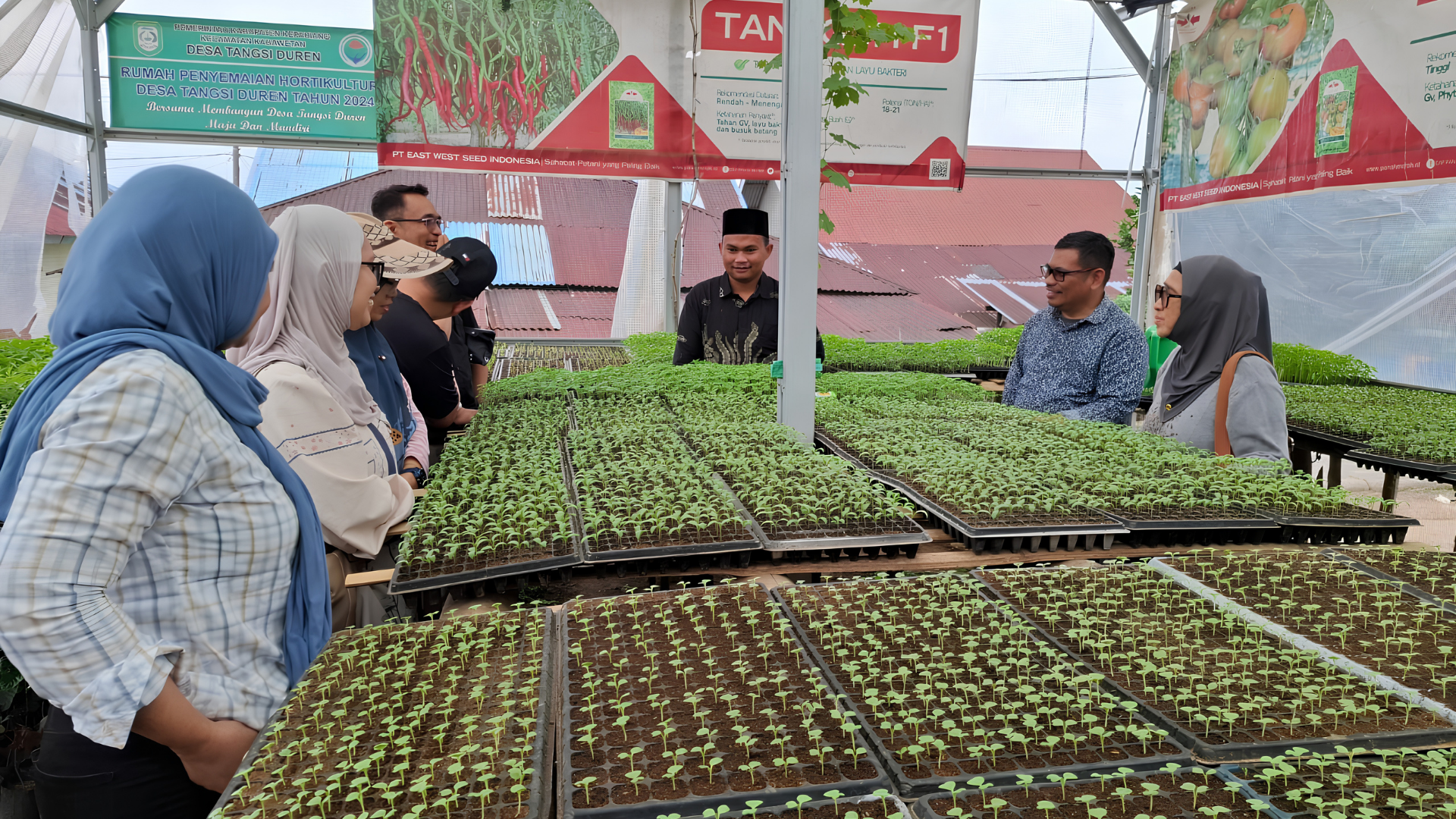
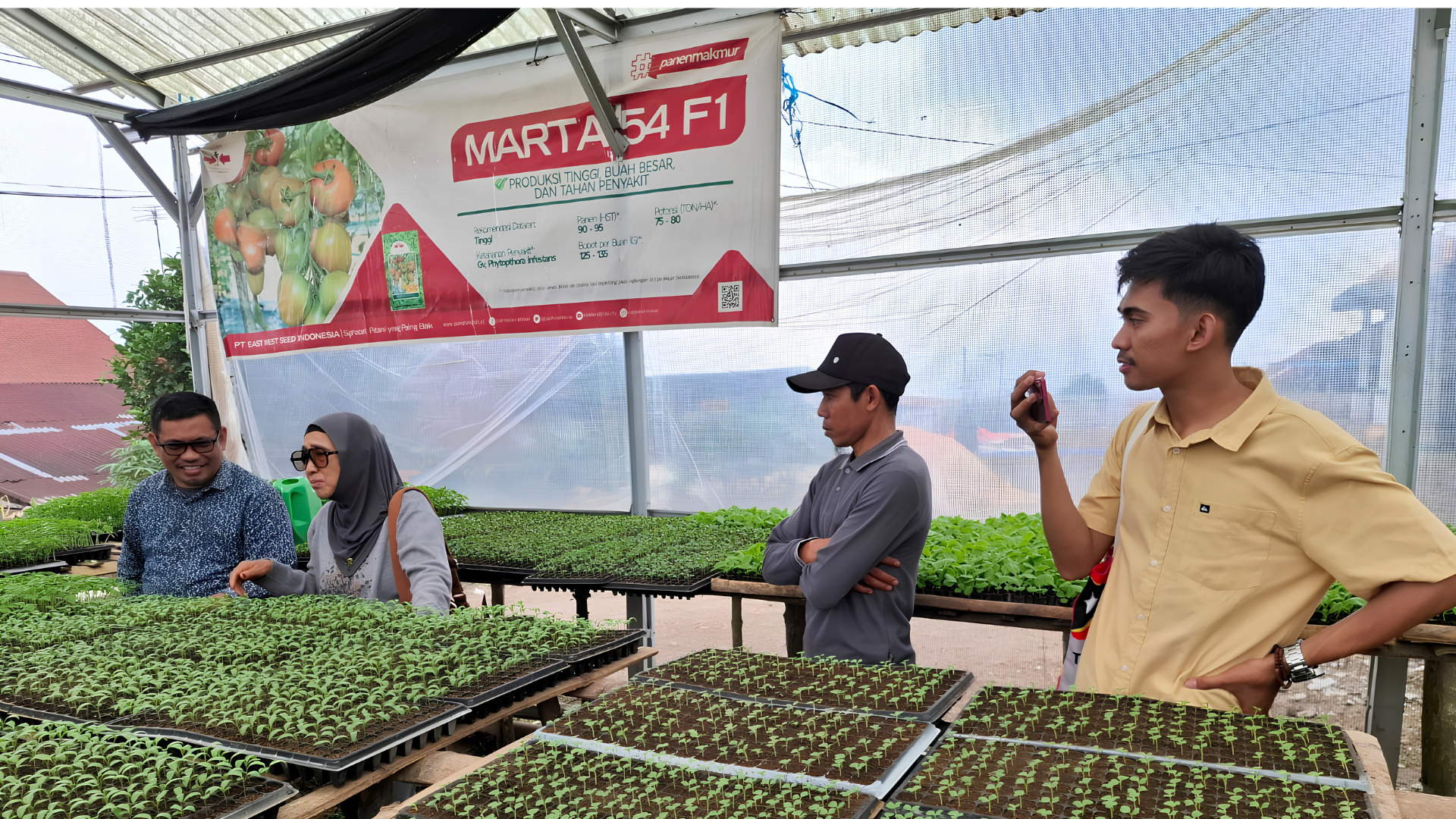
BENGKULU, October 27 — A team of experts from the Graduate School of Hasanuddin University (SPs UNHAS) assessed the strengths and commercial potential of two curly red chili varieties developed by the University of Bengkulu (UNIB), Nalima and Dwiguna UNIB, from October 24 to 27, 2026. The assessment included visits to observe the breeding process, field validation with seed growers, and interviews with seed traders to gain insights into product quality and market development opportunities.
The team was led by Dr. Hasmin, S.E., M.Si., and included Dr. Ariady Arsal, an expert in markets and business models, and Dr. Andi Muliarni Okasa, S.P., a technical expert. Other members were legal expert Dr. Hijrah Adhyanti Mirzana from the Faculty of Law at Hasanuddin University, finance expert Prof. Firman Menne, and Fadel Hirawan, a master's student in Agribusiness at Hasanuddin University.
The assessment began with a visit to a greenhouse in Bengkulu City, where the team observed the chili breeding process developed by Prof. Dr. Ir. Dwi Wahyuni Ganefianti, M.S., a plant breeder with decades of experience and former Dean of the Faculty of Agriculture at the University of Bengkulu.
The team then continued to Kepahiang Regency to conduct field validation with seed growers. Interviews with seed traders were also carried out to gather information on market demand, seed production practices, and prevailing seed prices.
One of the seed growers, Widi, explained that seed production takes farmers’ needs into account, including demand for F1 hybrid seeds and locally sourced seeds. This information provided valuable insights into the available seed options and the market segments they serve.
Team leader Dr. Hasmin expressed optimism about the market opportunities identified during the visit. He also commended Prof. Dwi Wahyuni Ganefianti’s efforts to develop high-quality seeds that meet farmers’ needs.
Meanwhile, Dr. Ariady Arsal proposed further collaboration with SPs UNHAS through multi-location trials in South Sulawesi. Such trials would help evaluate the performance of the two varieties under different environmental and cultivation conditions before further commercial development. The proposal was also supported by Dr. Andi Muliarni Okasa.
Prof. Dwi Wahyuni Ganefianti welcomed the SPs UNHAS team’s visit and expressed her appreciation for the assessment. She also conveyed her willingness to collaborate on further research and variety testing.
Support for potential collaboration was also expressed by UNIB Vice Rector III, Prof. Agustin, who received the SPs UNHAS team at the university’s rectorate building.
The visit has opened opportunities for further collaboration between the two universities, particularly in connecting plant-breeding research with field testing, market analysis, and commercialization planning. Through this multidisciplinary approach, the assessment of Nalima and Dwiguna UNIB is expected to provide a foundation for future development, bringing research outcomes closer to farmers’ needs and the realities of the seed market.