Emphasizing the Importance of Occupational Safety Culture, SPs UNHAS and Berca Schindler Hold First Aid and Fire Fighting Training
© SPs UNHAS Media 2026
© SPs UNHAS Media 2026
© SPs UNHAS Media 2026
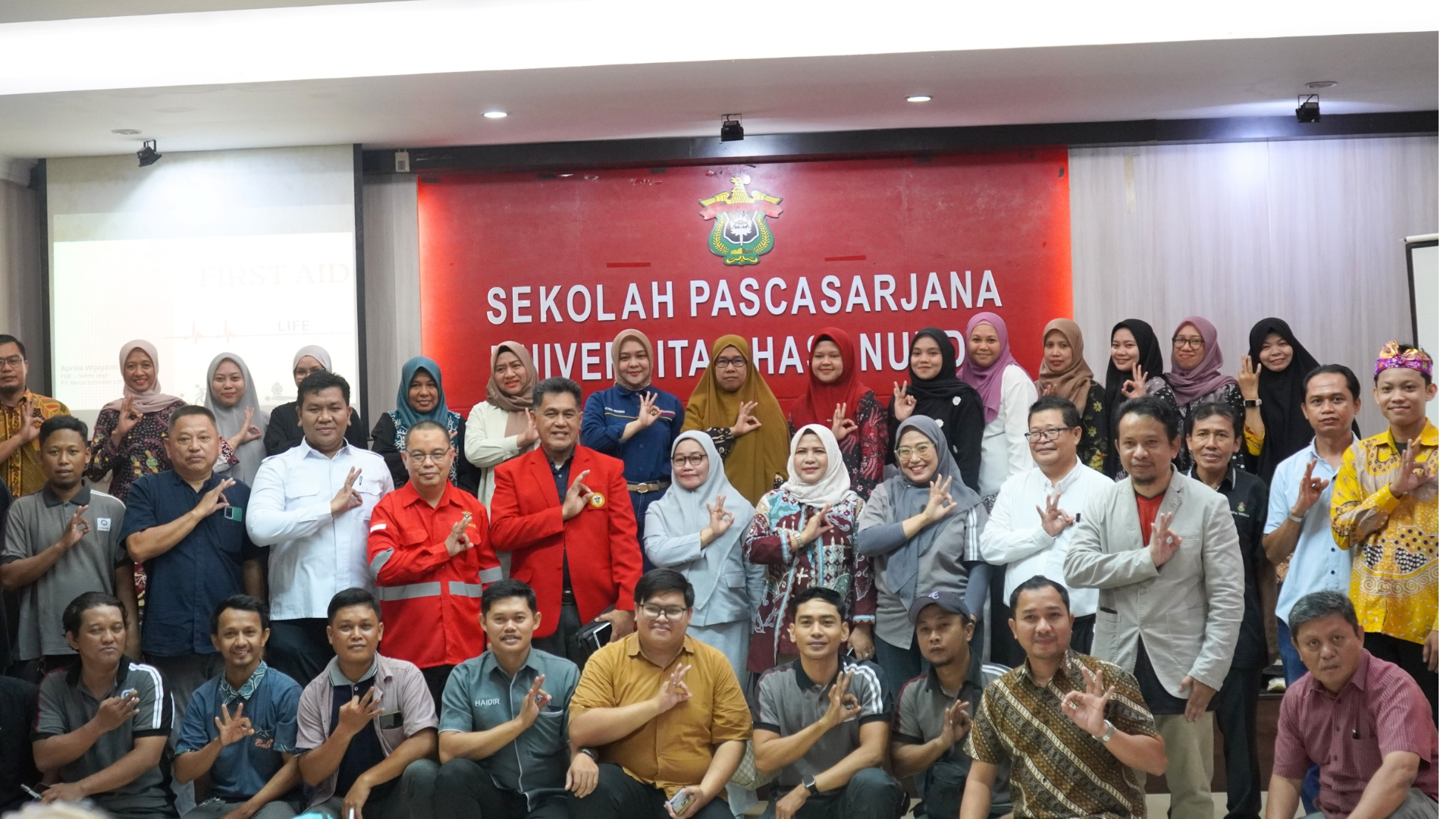
MAKASSAR, November 19 — The ability to provide first aid in the event of an accident is an important skill, not only in the workplace but also in everyday life. This was among the topics covered in the Occupational Health and Safety (OHS) training on *First Aid and Fire Fighting*, organized by the Graduate School of Hasanuddin University (SPs UNHAS) in collaboration with PT Berca Schindler Lifts. The training took place at the Prof. Hardjoeno Auditorium, SPs UNHAS, on Thursday (19 November 2026).
Held over two days, from 19 to 20 November 2026, the training was part of SPs UNHAS’s efforts to improve the academic community’s understanding and preparedness in addressing potential accident risks and emergency situations in the workplace.
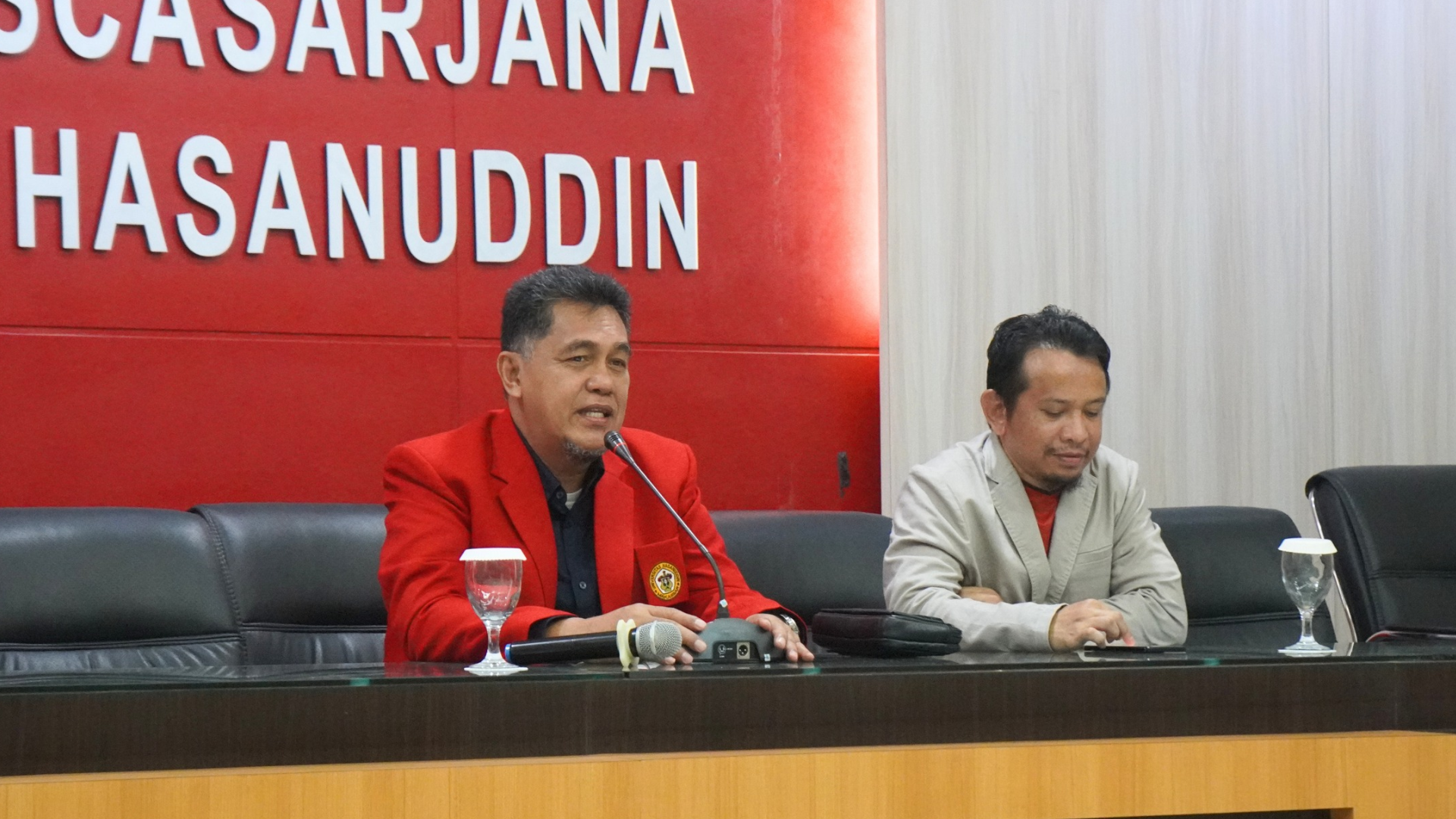
The event was officially opened by Vice Dean for Planning and Resources of SPs UNHAS, Dr. Ir. Syahriadi Kadir, M.Si. In his remarks, he emphasized the importance of understanding and implementing OHS principles to minimize the risks of workplace accidents and occupational diseases.
Also in attendance were Vice Dean for Partnerships, Research, Innovation, and Alumni, Prof. Dr. dr. Marhaen Hardjo, M.Biomed.; Chair of the Quality Assurance and Reputation Enhancement Unit (GPM-PR), Prof. Dr. Tuti Bahfiarti, S.Sos., M.Si.; Head of Administration, Ir. Jumadil, S.T., M.M.; as well as lecturers and education staff of SPs UNHAS.
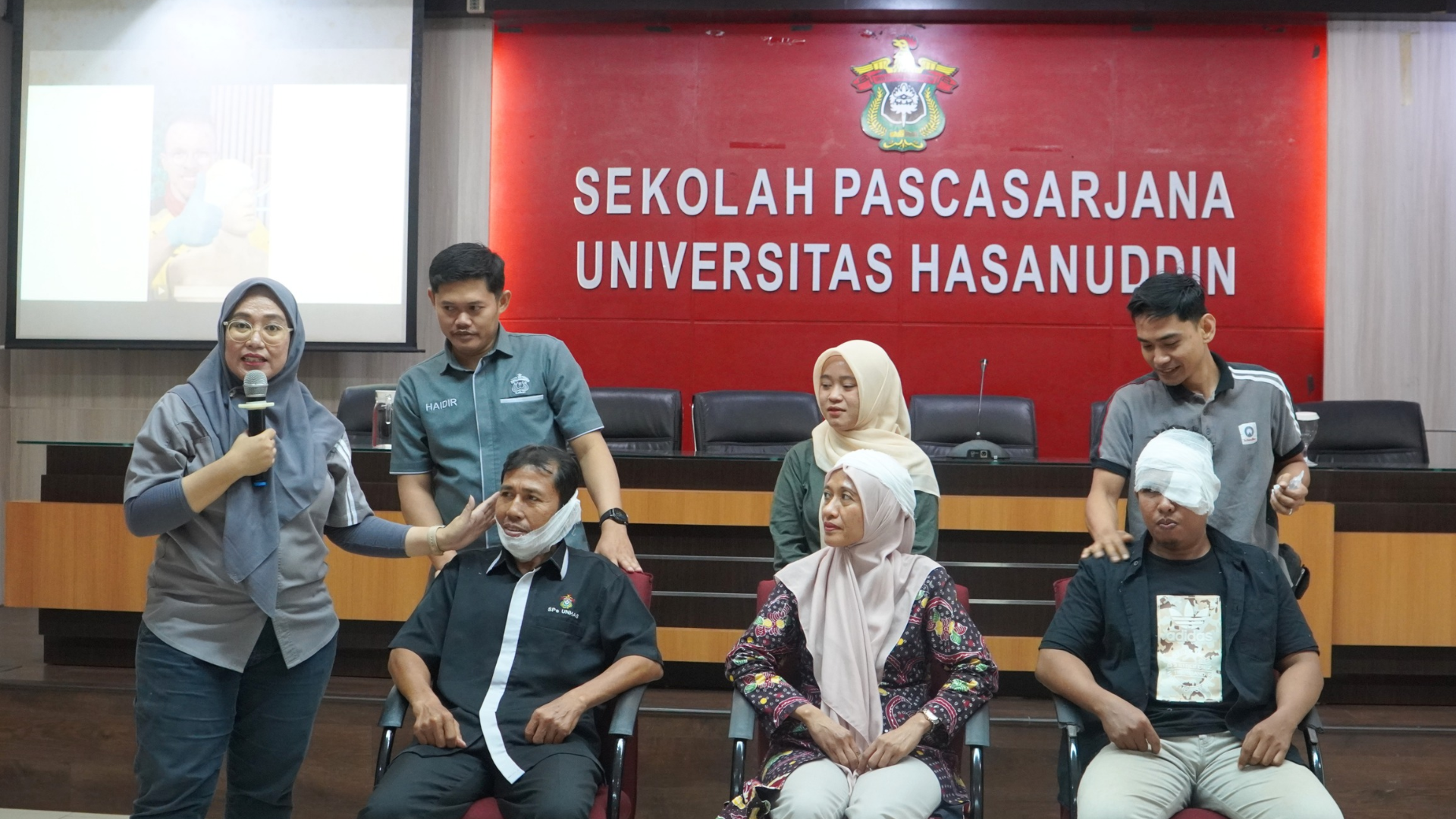
The training was delivered by Aprilia Wijayanti, Safety Officer for Eastern Indonesia at PT Berca Schindler Lifts. In her presentation, she explained that first aid knowledge is valuable beyond the workplace.
“First aid is not just for the workplace; the knowledge can be applied wherever you are,” Aprilia explained.
She also noted that the implementation of OHS in Indonesia has a legal basis, one of which is Law No. 1 of 1970 concerning Work Safety. In practice, a workplace should be supported by three essential components: designated first aid personnel, a first aid room, and adequate first aid equipment.
One topic that received particular attention was the initial response to road accidents. Participants were introduced to several steps, including contacting the emergency service at 119, ensuring their own safety, checking that the surrounding area is safe, and providing initial assistance to victims without compromising the safety of the person providing help.
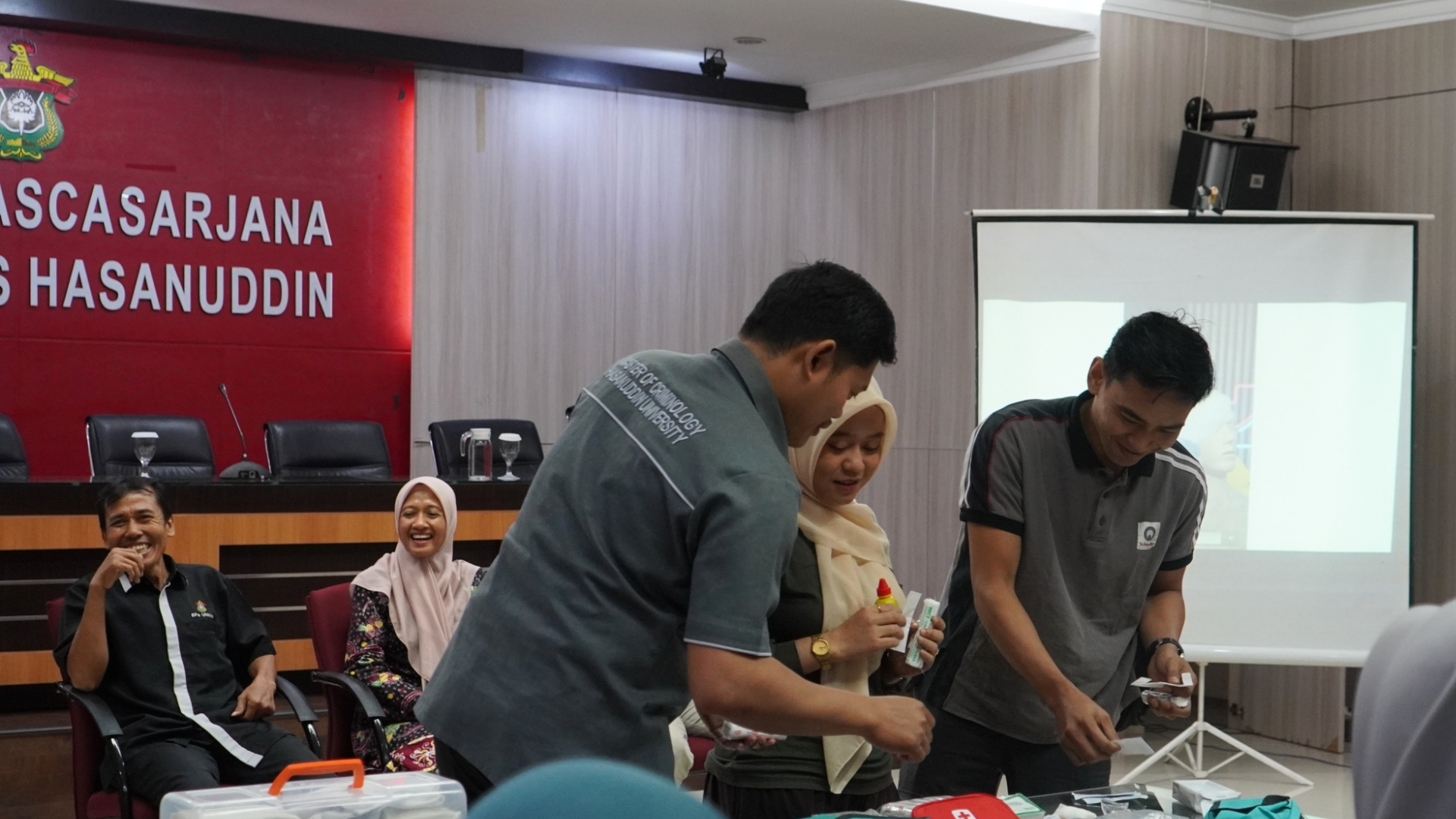
Beyond the theoretical sessions, participants also took part in practical exercises covering various first aid techniques. These included injury management using the RICE method (Rest, Ice, Compression, Elevation), handling wounds involving embedded objects, managing bleeding, and responding to shock.
Through this combination of presentations and practical exercises, participants are expected to gain a more practical understanding of how to identify risks and take initial action when faced with emergency situations. The training also reinforced the awareness that an effective OHS culture depends not only on the availability of safety facilities and procedures but also on each individual's readiness to protect themselves and others.