SPs UNHAS and IPB Prepare Super-Hot Chili Commercialization, Highlighting South Sulawesi’s Local Genetic Potential
© SPs UNHAS Media 2026
© SPs UNHAS Media 2026
© SPs UNHAS Media 2026
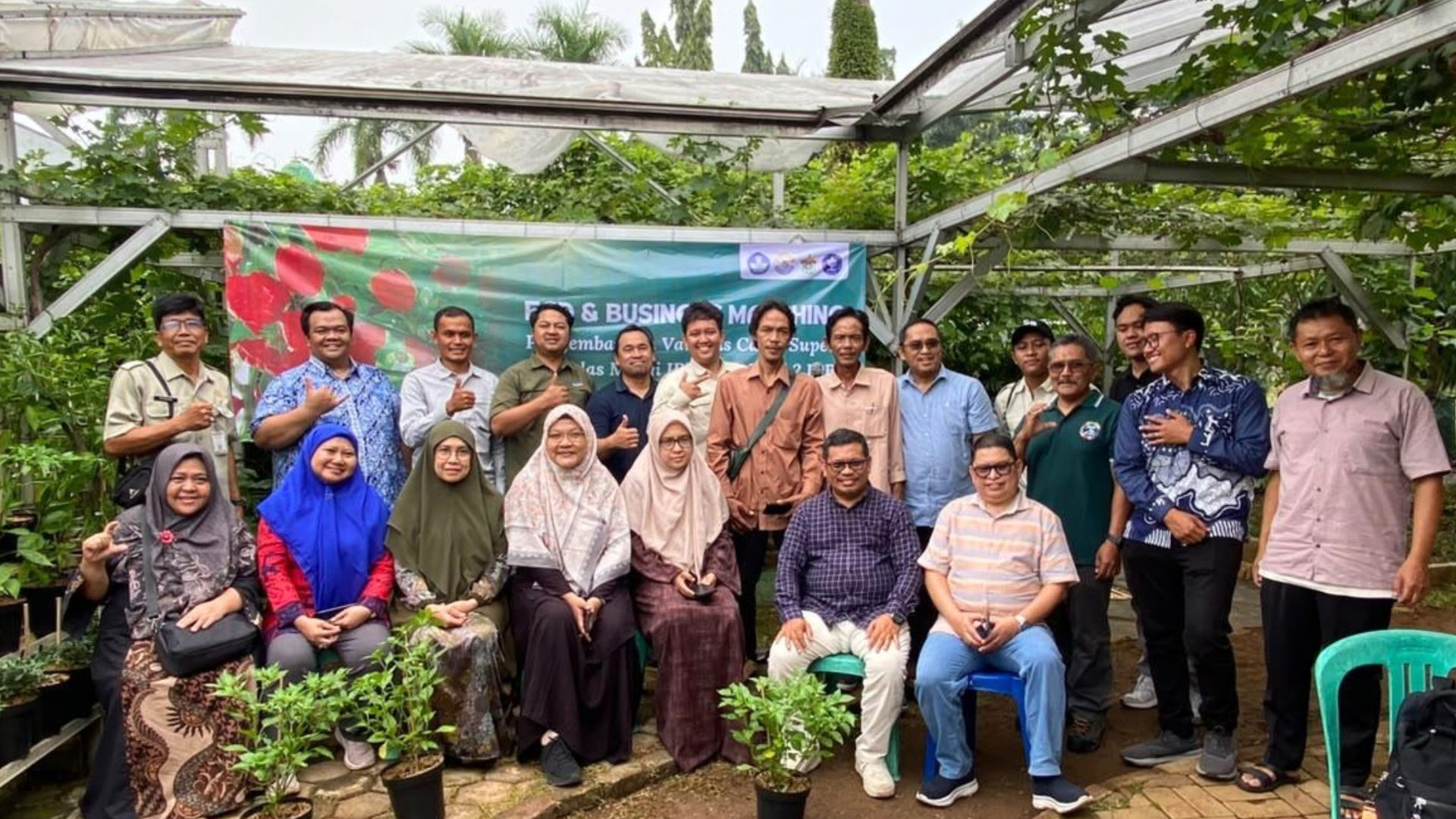
BOGOR, November 14 — The potential of Katokkon chili from Tana Toraja, South Sulawesi, continues to be developed through research collaboration and efforts to strengthen innovation commercialization. The Graduate School of Hasanuddin University (SPs UNHAS) is working with IPB University to prepare a strategy to accelerate the commercialization of super-hot chili varieties developed by an IPB inventor team using Katokkon chili as the female parent, on Saturday (14 November 2026).
The collaboration brings together the IPB inventor team, led by Prof. Dr. Muhammad Syukur, SP., M.Si., and the UNHAS expert team, headed by Dr. Ariady Arsal from SPs UNHAS. The UNHAS team also involves several experts from different fields: Abdul Razak Munir for market aspects, Prof. Firman Menne for financial aspects, and Dr. Hijrah A. Mirzana for legal aspects.
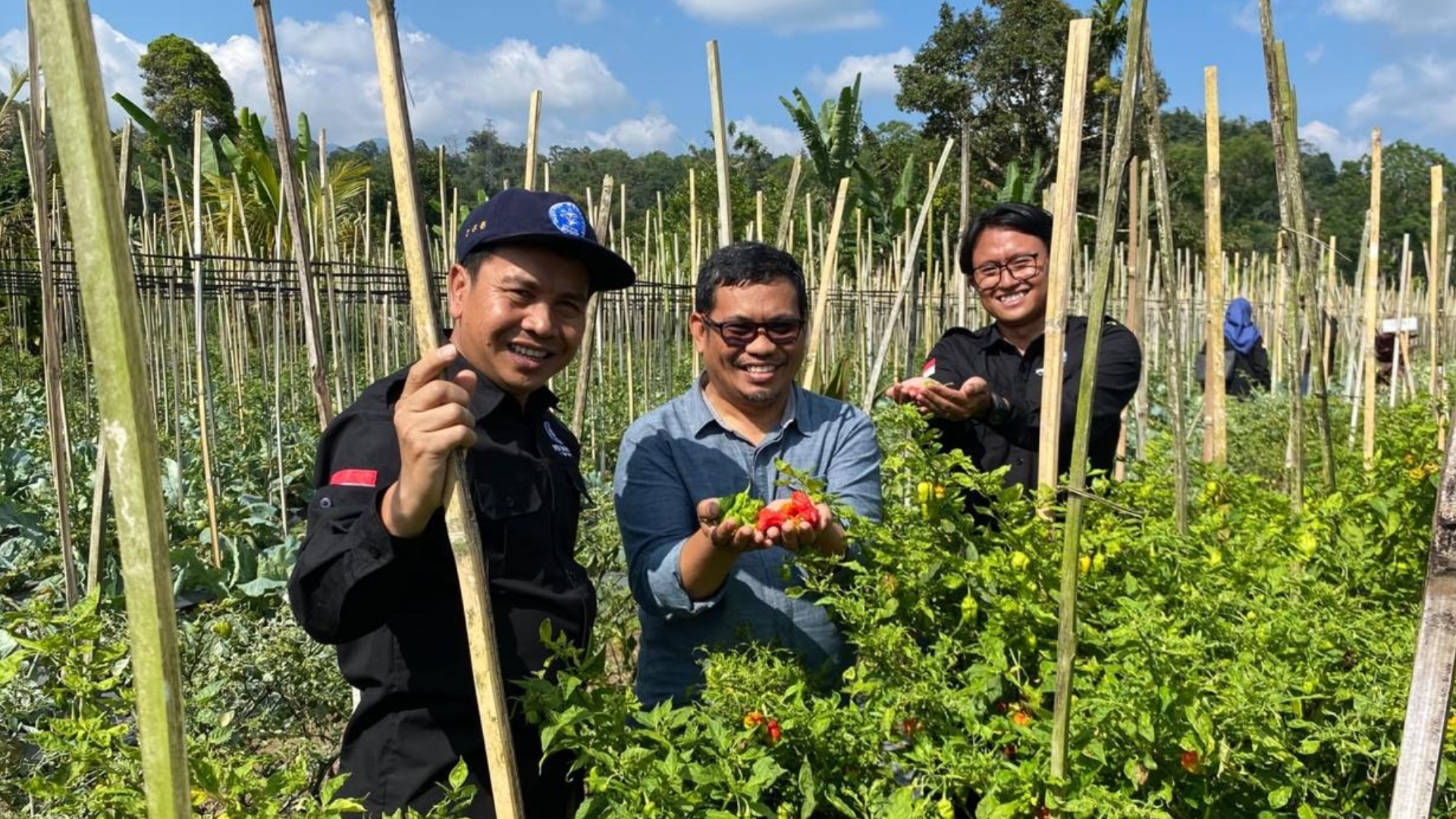
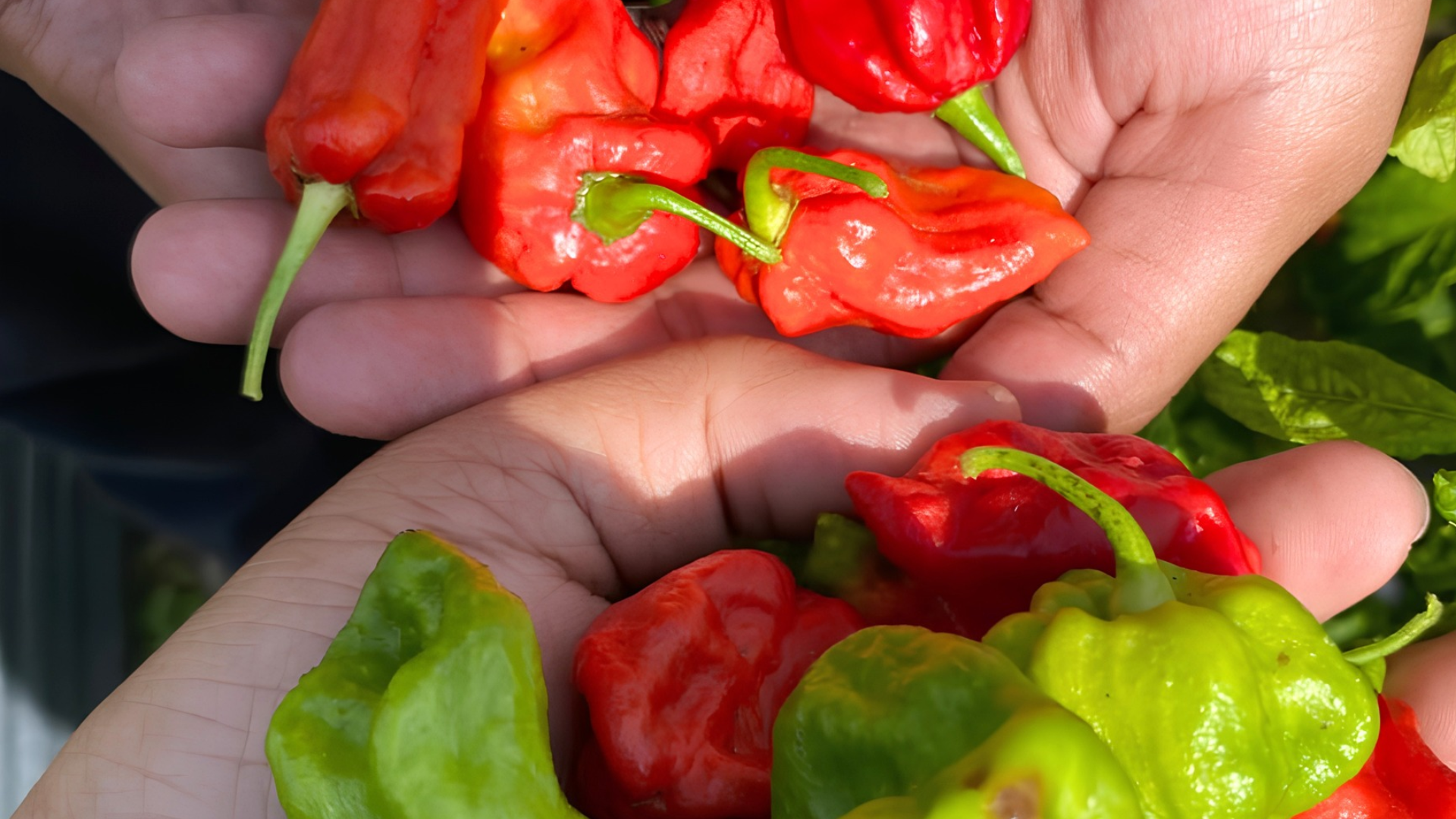
As part of this development, the IPB team has produced several chili varieties with high levels of pungency. Prof. Syukur, an IPB plant breeding expert, explained that the Tabia Sala 1 variety has a pungency level of approximately 1.3 million Scoville Heat Units (SHU), Margi 1 ranges from 750,000 to 1 million SHU, while Palurah reaches approximately 500,000 SHU.
The use of Katokkon as the female parent is one of the key aspects of this innovation. In addition to demonstrating the potential of South Sulawesi’s local genetic resources, this development opens up opportunities to increase the added value of agricultural commodities through plant breeding innovation and product development.
In this collaboration, UNHAS contributes by assessing technological support to accelerate the commercialization process. The expert team is preparing a development roadmap covering four key aspects: technical and technological development, markets and business models, finance, and legal matters. This approach is intended to ensure that the resulting innovation goes beyond research achievements and is ready for further development and wider application.
Dr. Ariady Arsal expressed his hope that SPs UNHAS would continue to contribute to supporting the development of IPB’s innovations, particularly as one of the genetic resources used originates from South Sulawesi. This support is expected to create opportunities for developing local commodities while providing benefits for farmers and agricultural businesses in the region.
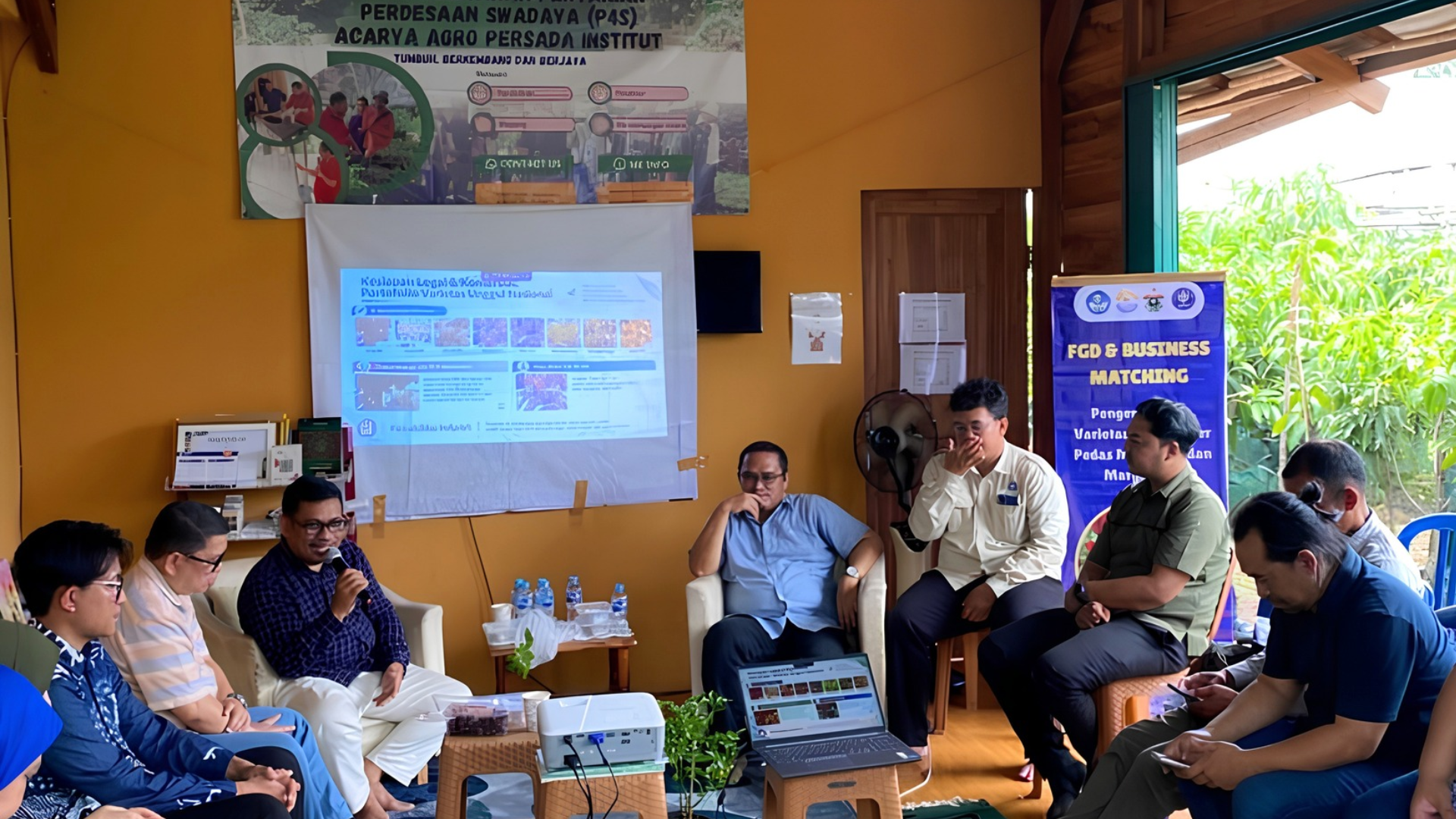
The collaboration has included meetings with IPB agricultural experts, a focus group discussion (FGD), and business matching sessions involving prospective partners from various sectors. These included seed producer PT MHN, Indofood, catering businesses, and farmer groups. The involvement of various stakeholders is part of the effort to connect research innovations with market needs and business development opportunities.
Further development activities have also included training on super-hot chili seed production at the Main Seed Center (BBI) for Food Crops and Horticulture of Bali Province in Luwus, attended by the Bali BBI TPH team. The activities were complemented by a meeting with experts from Udayana University to discuss the results of chili field trials in Bali. The meeting also involved ecophysiology experts Prof. Dr. Ir. I Nyoman Rai, M.S., and Prof. Dr. Ir. Dewa Ngurah Suprapta, M.Sc.
The collaboration between SPs UNHAS and IPB highlights the importance of synergy among universities and stakeholders in advancing research results towards commercialization. By strengthening the technological, business, financial, and legal aspects, innovations based on local potential are expected to develop into value-added commodities that benefit the agricultural sector and improve community welfare.