Community Service Marks SPs UNHAS’s Contribution Throughout Four Decades
© SPs UNHAS Media 2026
© SPs UNHAS Media 2026
© SPs UNHAS Media 2026
© SPs UNHAS Media 2026
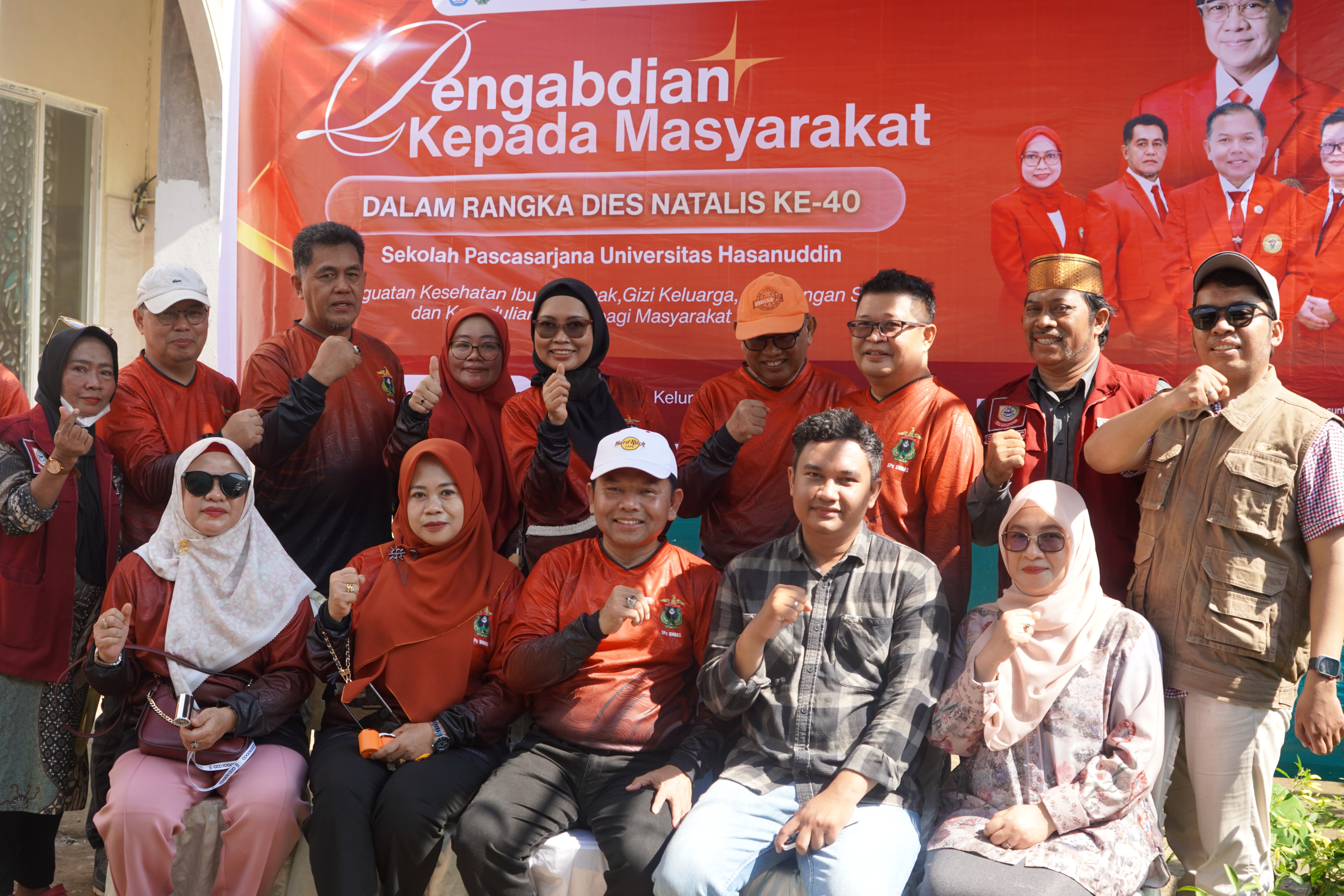
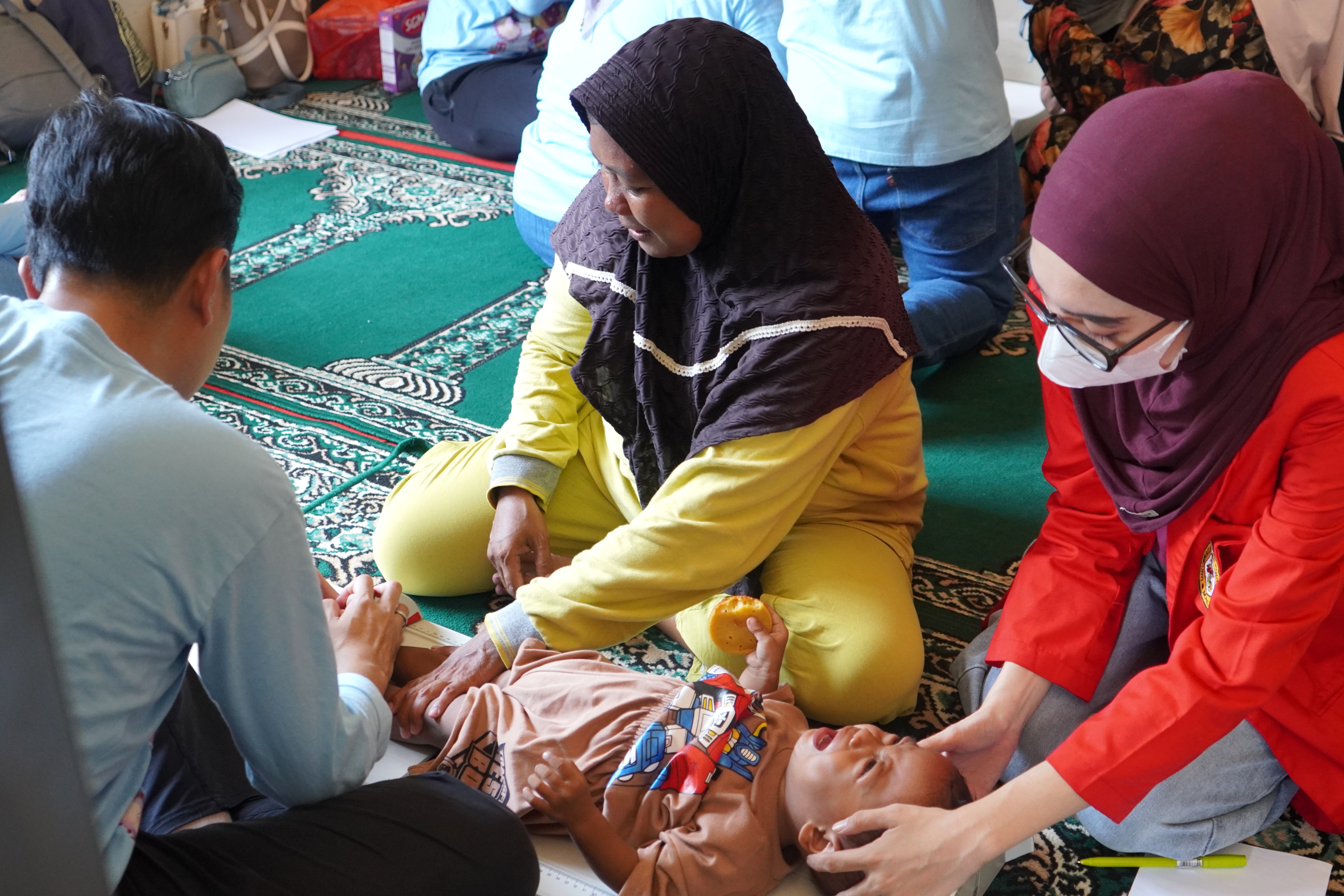
MAKASSAR, November 22 — Hasanuddin University’s Graduate School (SPs UNHAS) has launched an integrated community service program in Jalan Pattene, Lorong 1 Tunas Jaya, RT 05/RW 02, Sudiang Subdistrict, Biringkanaya District, Makassar. Held as part of the SPs UNHAS 40th Anniversary celebrations, the program brings together family health assistance, food security education, and community-based environmental management.
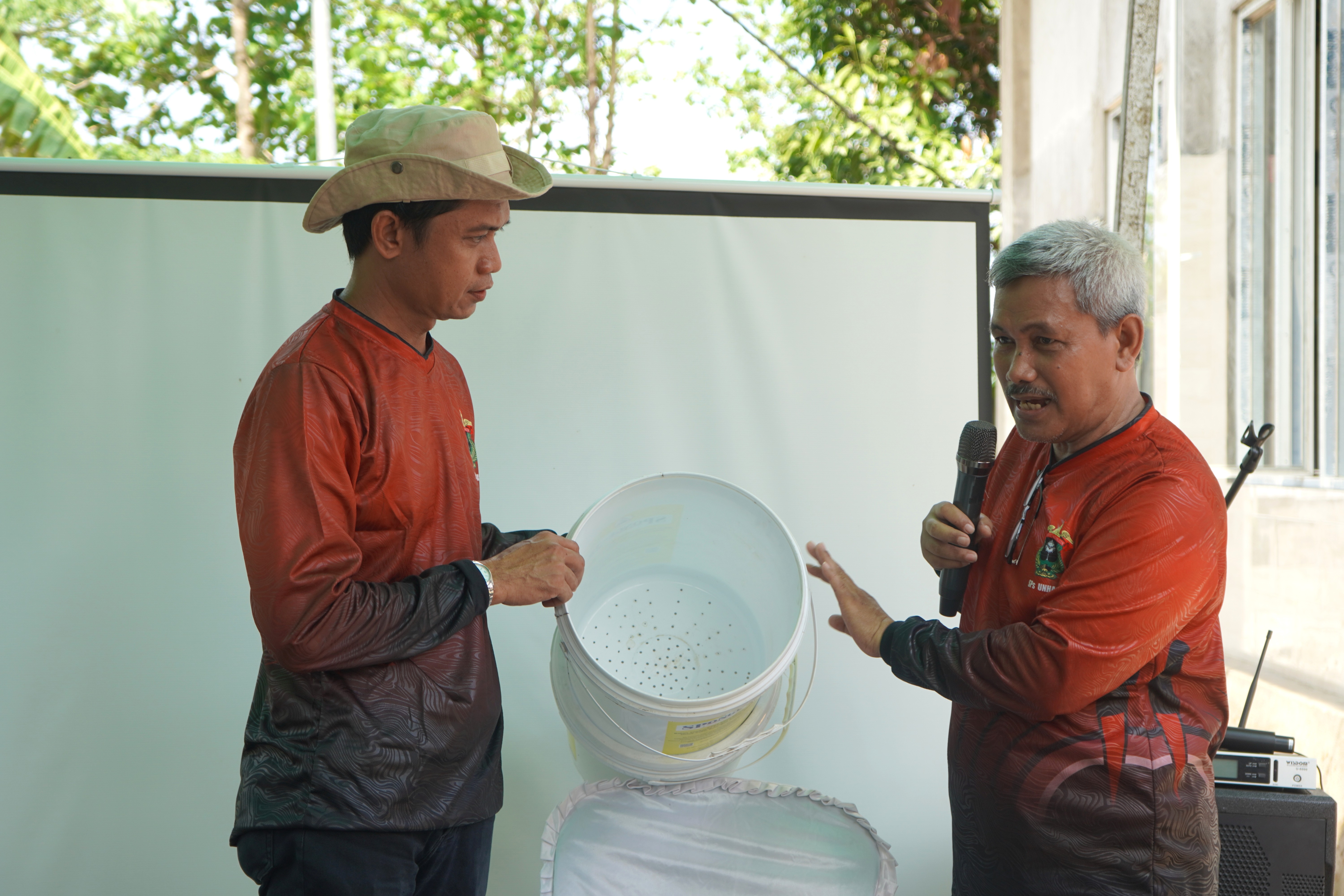
The program addresses several community needs through five main activities: health screenings for pregnant women and mothers with stunted children; education and demonstrations on making simple composters; training on growing plants in polybags and utilizing limited space; distribution of chili seedlings; and Cavendish banana planting.
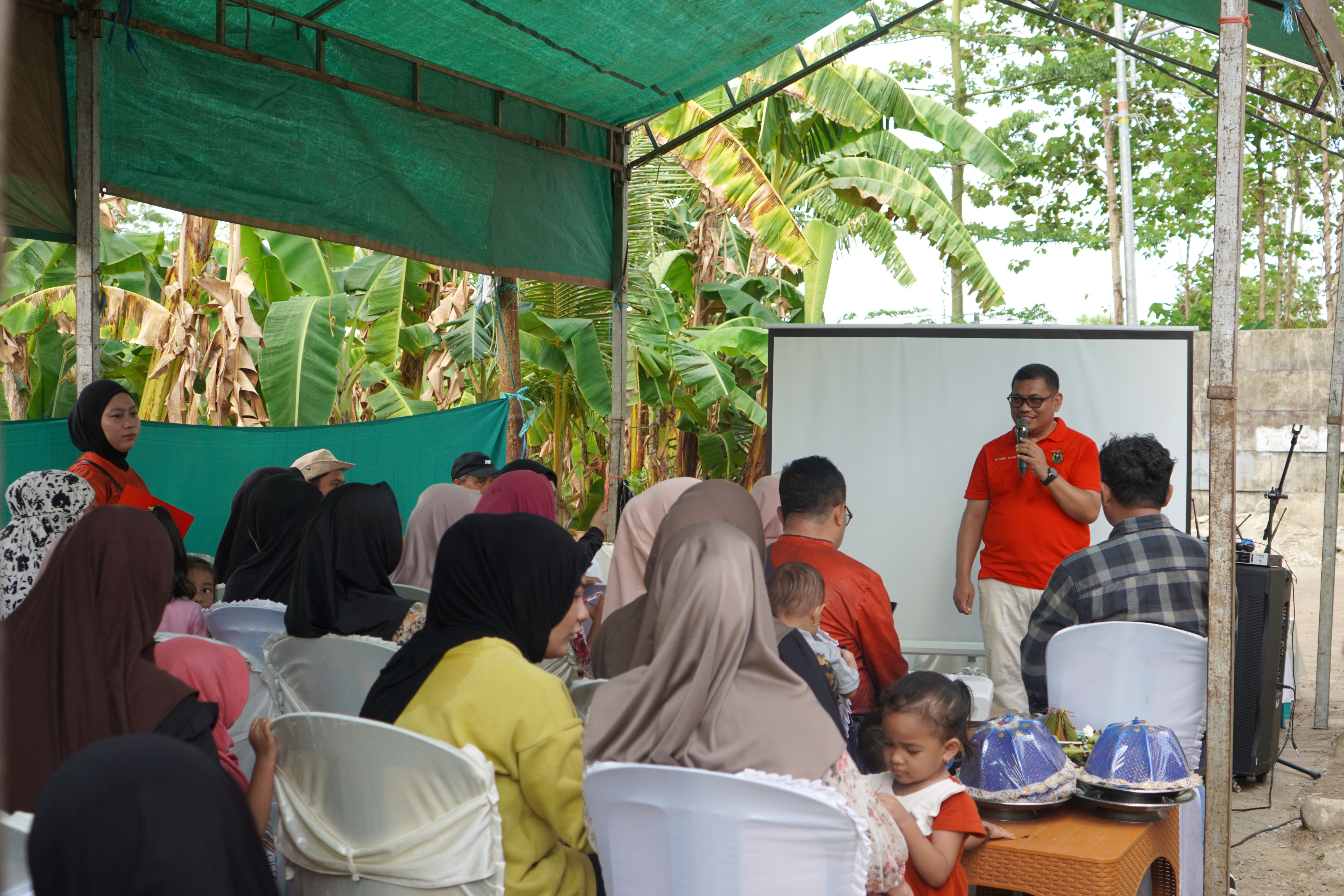
The initiative stems from the importance of addressing community issues through an integrated approach. In Sudiang Subdistrict, which has a population of approximately 67,000, 103 children under five were recorded as experiencing stunting, or around 8 percent, based on data presented during the activity. This situation highlights the importance of support from various stakeholders in strengthening efforts to improve family health.
Dean of SPs UNHAS, Prof. Dr. Sukri Palutturi, S.K.M., M.Kes., M.Sc.PH., Ph.D., emphasized that community service is an integral part of a university’s role, extending beyond academic activities on campus.
“Community service should take this kind of form. I respect whatever exists within the community. Our presence should not be limited to lecture rooms and discussion forums. The Graduate School is here to help bring knowledge directly to the community,” said Prof. Sukri.
Support for the program was also expressed by Head of Sudiang Community Health Center, dr. Ela Saptianingsih Bangkele, M.Kes. She expressed her appreciation for the involvement of SPs UNHAS leaders and lecturers in providing assistance to the community, particularly in efforts to improve public health.
“It is a great source of pride and honor to have the Dean and lecturers here, providing assistance to the community in improving public health. We hope to receive continued support from all parties, as community health centers cannot work alone, especially given the increasingly significant challenges we face,” she said.
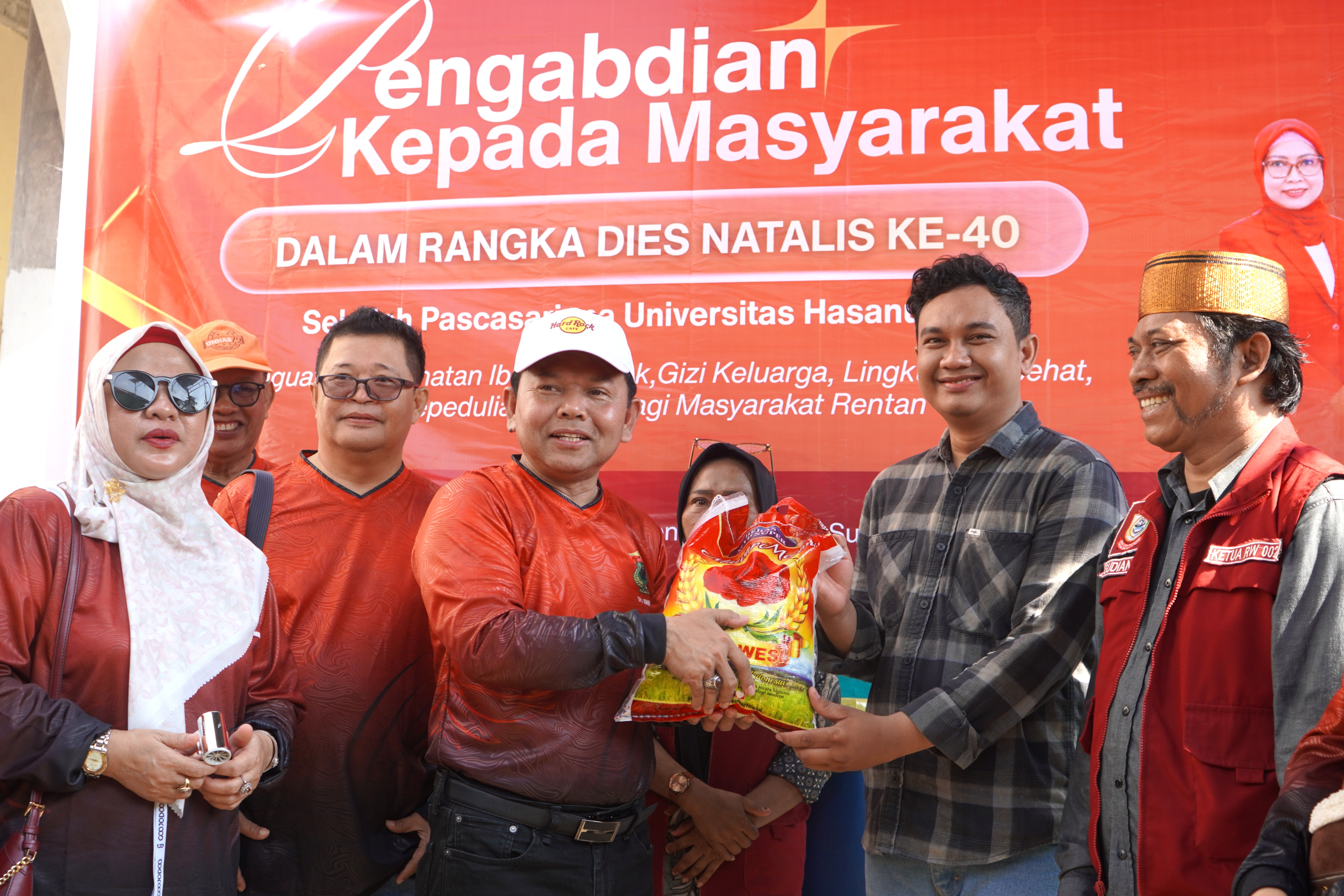
Similar appreciation was expressed by the Head of Sudiang Subdistrict, who noted that the program had brought benefits to the community, including through the distribution of assistance. The Head also hoped that such support and collaboration could continue in the future.
“Alhamdulillah, this has had a very positive impact, including through the distribution of assistance. We hope this support can continue in the future. We would like to express our sincere gratitude,” the Head said.
Beyond health screenings, the program also aimed to improve families’ skills in managing resources within their living environments. Through demonstrations on making simple composters, community members were introduced to organic waste management. Meanwhile, education on growing plants in polybags and making use of limited spaces, the distribution of chili seedlings, and Cavendish banana planting introduced practical cultivation methods that can be applied in home environments.
The series of activities reflects SPs UNHAS’s multidisciplinary approach to community service, connecting the fields of health, food, agriculture, and the environment. Marking four decades of the institution’s journey, SPs UNHAS seeks to expand its academic contribution by bringing knowledge and assistance that are relevant to the needs of the community.