SPs UNHAS Dean Encourages Cross-Sectoral Leadership to Achieve Sustainable Healthy Cities
© SPs UNHAS Media 2026
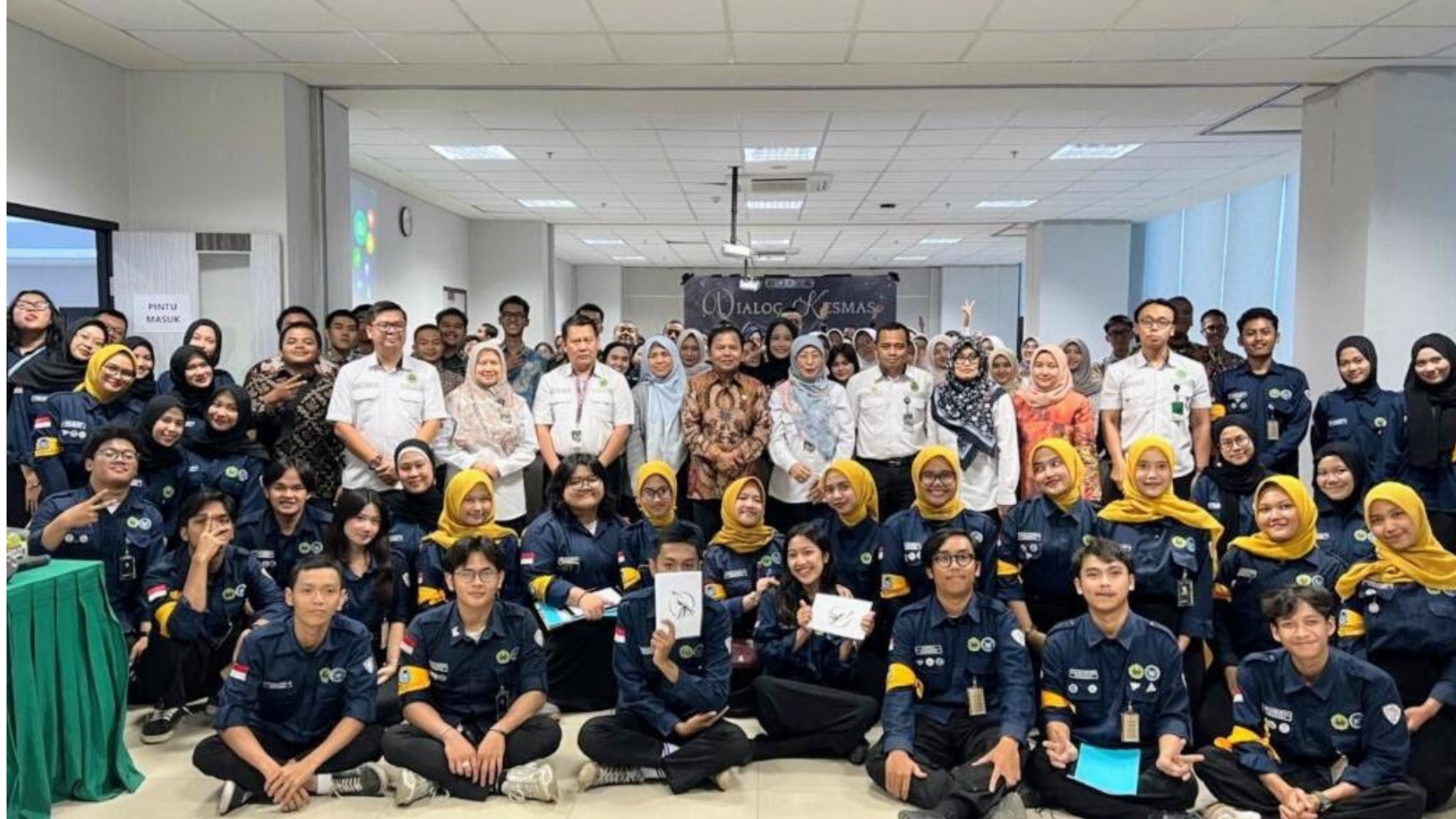
CIMAHI — Strong leadership and cross-sectoral collaboration are key to achieving healthy cities amid growing urban health challenges. This was highlighted by the Dean of the Graduate School of Hasanuddin University (SPs UNHAS), Prof. Sukri Palutturi, S.K.M., M.Kes., MSc.PH., Ph.D., during a guest lecture at the Faculty of Health Science and Technology, Universitas Jenderal Achmad Yani (UNJANI), in Cimahi, West Java, on Tuesday (3 November 2026).
The guest lecture, titled “Healthy Cities: Leadership, Multisectoral Policies, and Innovation in Addressing Urban Health Challenges,” provided an opportunity for Prof. Sukri to explain that urban health issues can no longer be addressed solely by providing healthcare facilities. Urbanization, environmental pollution, climate change, non-communicable diseases, and social inequality require a development approach that involves multiple sectors.
“Healthy cities are not built simply by increasing the number of hospitals or healthcare facilities. They are shaped by strong leadership, cross-sectoral policies, community participation, and innovations that create healthier and more equitable living environments,” Prof. Sukri emphasized.
He explained that the Healthy Cities concept developed by the World Health Organization (WHO) places health as an integral part of overall development policies. This means that the transportation, housing, urban planning, education, economic, and environmental sectors also play a role in determining the health and well-being of communities.
In Indonesia, this approach is implemented, among other initiatives, through the Healthy Regency/City (KKS) program. Its implementation requires coordination among local governments, universities, businesses, community organizations, and local communities. Collaborative leadership is essential to ensure that various policies and resources work towards a common goal.
Prof. Sukri also highlighted the Lorong Sehat program in Makassar as an example of community-based innovation. The program integrates environmental cleanliness, greening initiatives, and resident participation to create healthier residential areas. According to him, efforts to build healthy cities can begin at the neighborhood level by actively involving local communities.
These ideas are closely aligned with the Sustainable Development Goals (SDGs), particularly Goal 3 on Good Health and Well-Being, Goal 11 on Sustainable Cities and Communities, and Goal 17 on Partnerships for the Goals. All three are closely connected to efforts to improve public health, build inclusive and resilient urban environments, and strengthen collaboration among stakeholders.
Through this guest lecture, Prof. Sukri brought the academic perspective of SPs UNHAS to discussions on urban health governance and sustainable development. The participation of academics in the forum also reinforces the role of universities as partners in developing knowledge, innovation, and policies that are responsive to societal challenges.